Coffee landscape has shifted
For decades, coffee was seen as fuel—a bitter utility to get through the workday. In 2026, the data shows a massive pivot
3/8/20262 min read
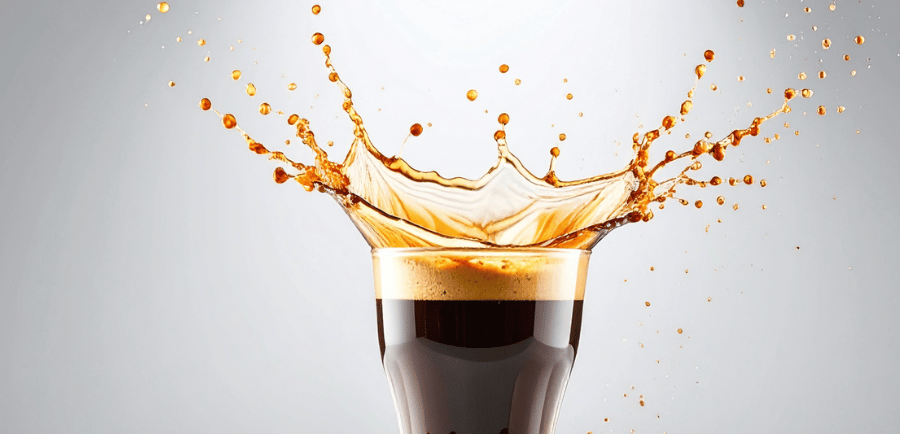
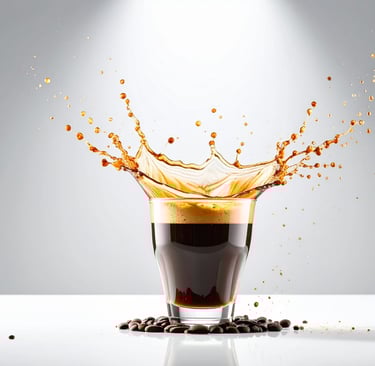
The coffee landscape has shifted. If you step into a café today, in early 2026, you aren’t just buying a morning pick-me-up; you’re engaging in a global movement of craftsmanship, science, and ethics. The "Third Wave" of coffee has matured into something more intentional, where every bean tells a story of survival and innovation.
Here is why 2026 is officially the year of the specialty coffee revolution.
The Shift from Caffeine to Craftsmanship
For decades, coffee was seen as fuel—a bitter utility to get through the workday. In 2026, the data shows a massive pivot: coffee has become a hobby. Much like the craft beer and fine wine movements before it, specialty coffee is now defined by "connoisseurship."
Consumers are no longer satisfied with a generic "medium roast." They are asking for specific elevations, varietals like Gesha or Sidra, and precise drying methods. This shift is driven by a desire for identity and authenticity. In a world of mass-produced goods, a single-origin cup from a smallholder farm in Yemen or Ethiopia offers a unique, unrepeatable sensory experience.
Experimental Processing: The New Flavor Frontier
If you’ve noticed tasting notes like "fermented funk," "boozy stone fruit," or "tropical acidity," you’ve encountered experimental processing. This year, techniques like anaerobic fermentation and carbonic maceration have moved from elite barista competitions to mainstream café menus.
By controlling the oxygen levels and yeast strains during the fermentation of the coffee cherry, producers are "designing" flavors that nature alone couldn’t produce. This isn't just about novelty; it's a tool for climate resilience. As rising temperatures threaten traditional flavor profiles, these innovative processing methods allow farmers to maintain high quality and command the premium prices necessary to stay in business.
Sustainability Is No Longer a Marketing Buzzword
In 2026, sustainability is a requirement for entry into the specialty market. With the global specialty coffee market projected to surpass $32 billion this year, the focus has shifted toward "regenerative agriculture."
Carbon-Neutral Sourcing: Consumers now expect to see a clear path from the farm to the cup, often tracked via blockchain to ensure farmers are paid well above the "C-market" commodity price.
Climate-Resilient Beans: With traditional growing regions under pressure, there is a rise in lesser-known species like Coffea stenophylla, which can thrive in warmer temperatures while maintaining a high-quality flavor profile.
Eco-Friendly Brewing: From compostable pucks to precision water management systems that reduce waste, the "green" aspect of coffee is now integrated into the hardware of the modern café.
The Rise of Functional and Cold Brews
The "Cold is King" trend has reached its zenith. Cold brew and nitro coffee are no longer seasonal treats; they are year-round staples, especially for Gen Z drinkers who prioritize texture and natural sweetness over heat.
Furthermore, 2026 has seen the explosion of "Functional Coffee." This involves infusing high-quality specialty beans with adaptogens, lion’s mane mushrooms, or collagen. The goal is to marry the ritual of coffee with specific health outcomes like cognitive focus or gut health, transforming the café into a wellness destination.
High-Tech Brewing at Home
The barrier between the professional barista and the home enthusiast has all but vanished. Smart, AI-powered grinders and brewers now allow home users to download "brew prints" from their favorite roasters. These machines automatically adjust grind size, water temperature, and flow rate to ensure that a rare micro-lot tastes exactly as the roaster intended.
The rise of specialty coffee in 2026 is a testament to our growing appreciation for the people and processes behind our favorite beverage. It is a world where flavor, ethics, and technology meet in a single, perfect cup.
