
How fusion cuisine is reshaping modern dining
The way we eat is changing. As the world becomes more interconnected, so too does our appetite.
10/26/20252 min read
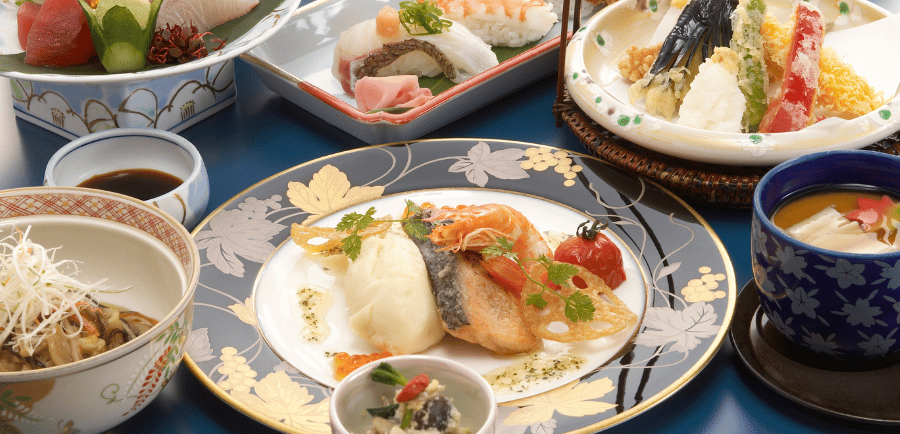
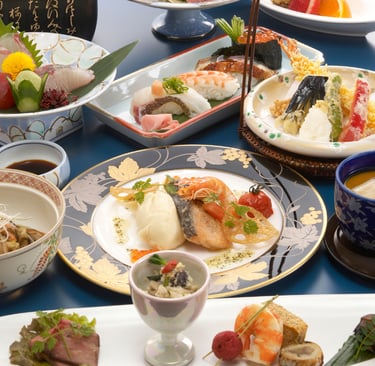
The way we eat is changing. As the world becomes more interconnected, so too does our appetite. At the forefront of this exciting transformation is fusion cuisine—a dynamic style of cooking that boldly marries the ingredients, techniques, and philosophies of different culinary traditions to create something entirely new.
Far from being a fleeting trend, fusion cuisine is a major restaurant trend that has fundamentally reshaped modern dining, offering adventurous diners and creative chefs endless possibilities.
The Art of Blending: What is Fusion?
Fusion cuisine is more than just throwing international ingredients onto a single plate. At its heart, it’s about thoughtful, harmonious blending that respects the origins of each element. This culinary innovation often manifests in three key areas:
Ingredient Fusion: Combining star ingredients from different regions. Think a Mediterranean-style poke bowl or a rich, creamy Italian risotto infused with Thai curry spices.
Technique Fusion: Applying a cooking method from one culture to the ingredients of another. A classic example is using French baking techniques to prepare an Asian-inspired dessert, or Chinese wok-frying with European ingredients.
Style Fusion (The Mash-up): Creating entirely new dishes that blend two distinct, recognizable food concepts. This includes street-food favourites like Korean Tacos (spicy Korean BBQ wrapped in a Mexican tortilla) or the now-iconic Sushi Burrito.
A Global Palate: Why Diners Crave Fusion
Today's diner is more curious and culturally aware than ever before. Fusion cuisine caters directly to this adventurous spirit by offering:
Novelty and Excitement: It provides an unexpected journey for the taste buds, transforming the familiar into the fascinating. Each dish is an exploration of global flavours.
Approachability: By incorporating elements of a beloved cuisine (like a taco or a pizza) with a more unfamiliar one (like kimchi or butter chicken), fusion makes new flavours accessible and less intimidating.
A Taste of Cultural Exchange: Every successful fusion dish is a delicious dialogue between cultures. Diners can experience a piece of two different worlds without ever leaving their seat, fostering appreciation and understanding.
Empowering the Chef: The Role of Creativity
For chefs, fusion cuisine is a liberating canvas, acting as a powerful engine for culinary innovation. It breaks the rigid confines of traditional cooking, allowing for unparalleled creative freedom:
Boundary-Pushing Menus: Chefs can move beyond the fixed boundaries of a single national cuisine, resulting in dynamic and distinctive menus that stand out in a competitive market.
Personal Storytelling: Many chefs draw on their own diverse heritage and international training, using fusion to express their unique background and culinary philosophy on the plate.
Sustainable Innovation: The flexibility of fusion allows chefs to creatively incorporate local, seasonal, or alternative ingredients, supporting sustainability efforts without sacrificing flavour.
Examples that Define Modern Fusion
From fine dining to fast-casual, certain movements showcase how fusion cuisine is dominating the scene:
Nikkei Cuisine: The masterful blend of Japanese precision and technique with the vibrant flavours and indigenous ingredients of Peru. (e.g., Peruvian-style tiradito with Japanese sauces).
Korean-Mexican Fusion: A high-energy blend of Korean barbecue marinades and toppings (like kimchi and gochujang) served on Mexican formats (tacos, burritos, and quesadillas).
Indo-Chinese Cuisine (Hakka): A regional favourite that expertly combines Indian spices with Chinese cooking methods, resulting in classics like Chili Chicken and Hakka Noodles.
Fusion: The Future of Food
Fusion cuisine is more than just a passing trend; it reflects our increasingly globalized world. It’s a compelling force driving the modern dining landscape toward greater diversity, creativity, and cultural connection.
For both diners seeking a sensory adventure and chefs eager to innovate, fusion offers a tantalising answer—proving that the most exciting and delicious food often exists exactly where two worlds meet.
