Low-acid and gut-friendly coffee options
Coffee is naturally acidic, with a typical pH ranging from 4.85 to 5.10. This acidity comes from compounds like chlorogenic acids.
11/23/20252 min read
Why Does Coffee Upset My Stomach?
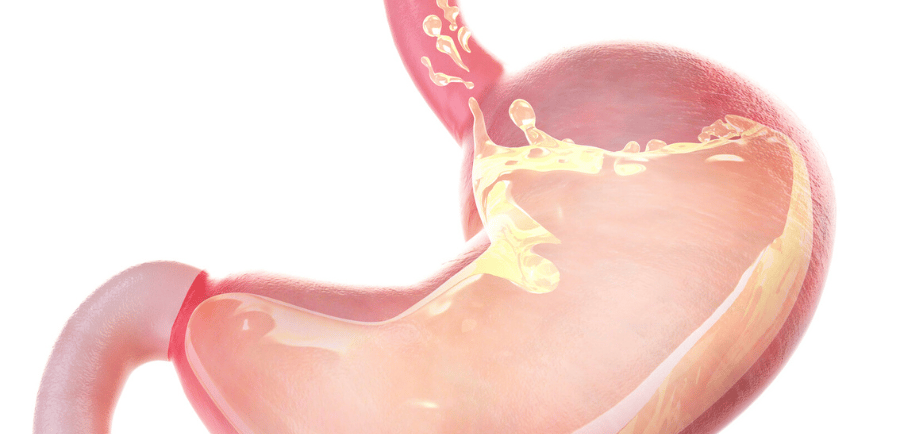
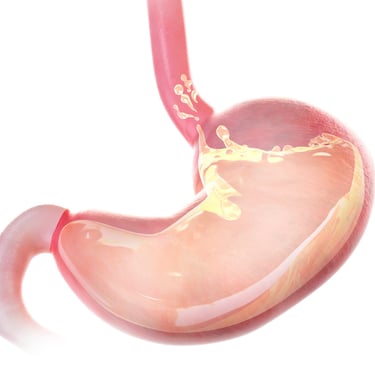
Coffee is naturally acidic, with a typical pH ranging from 4.85 to 5.10. This acidity comes from compounds like chlorogenic acids. For sensitive individuals or those with conditions like GERD (Gastroesophageal Reflux Disease) or IBS (Irritable Bowel Syndrome), this acidity can irritate the stomach lining and relax the lower esophageal sphincter, allowing stomach acid to creep up into the esophagus, causing that familiar burning sensation.
Furthermore, caffeine is a known stimulant that can increase stomach acid production, compounding the problem.
✅ Your Guide to Low-Acid, Gut-Friendly Coffee Choices
The key to a stomach-friendly cup lies in the bean, the roast, and the brewing method.
1. Choose the Right Bean & Roast
Dark Roasts Are Your Friend: Surprisingly, dark roast coffee is typically less acidic than light or medium roasts. The longer roasting time breaks down more of the acid-causing chlorogenic acids. Look for dark roasts with smokey, nutty, or chocolatey notes, as these usually indicate lower acidity.
Opt for Lower-Altitude Beans: Beans grown at lower altitudes (like some Indonesian or Brazilian varieties) tend to have less acidity than high-altitude beans.
Consider Robusta: Robusta beans are naturally less acidic than Arabica, though they do contain more caffeine. A Robusta/Arabica blend can offer a good balance.
Specialty Low-Acid Brands: Look for brands that specifically market their coffee as low-acid. These companies often use special post-roast processes or specific bean selections to achieve a higher, more neutral pH (closer to 6).
Popular Examples: Puroast Coffee, Lifeboost Coffee, Purity Coffee EASE, and Volcanica Low Acid Coffee.
Beyond the Bean: Try Mushroom or Chicory Blends. Chicory root is naturally caffeine-free and known to aid digestion, while certain mushroom extracts (like Lion's Mane or Reishi) can be anti-inflammatory.
2. Master the Low-Acid Brewing Method
Your brewing technique is arguably the biggest game-changer for reducing acidity.
3. Kitchen Hacks for a Smoother Brew
A few simple additions can neutralize acidity right in your mug:
Add Alkaline Milk Alternatives: Using almond milk or oat milk can help raise the pH of your final cup.
The Pinch of Baking Soda Trick: A tiny pinch (about 1/4 teaspoon per pot) of baking soda can neutralize acids without affecting the flavor.
Use Paper Filters: If you use a drip or pour-over method, stick to paper filters over metal mesh. Paper traps more of the acidic oils.
Don't Brew Too Hot: Water that is slightly below boiling (195–205°F) extracts fewer sharp acids.
💡 Digestive Health Benefits of Switching
Choosing a stomach-friendly coffee is about more than just avoiding the burn. The benefits include:
Reduced Risk of Heartburn and GERD flare-ups.
Protection for Sensitive Tooth Enamel (acidic beverages contribute to erosion).
Less Gastric Discomfort (bloating, nausea, and general upset).
A Smoother, Less Bitter Taste that allows the natural, rich flavors of the coffee to shine through.
Final Sip
Finding the best coffee for sensitive stomachs might require a little experimentation—but it’s worth the effort. Start by making a simple switch to cold brew or a dark roast low-acid brand. You can enjoy the energy, warmth, and flavor of your favorite beverage without the painful digestive fallout.
