
Regenerative Coffee Farming
Enter regenerative coffee farming. This isn’t just another sustainability buzzword, it’s a revolutionary approach to agriculture that moves beyond "doing no harm" to actively healing the earth.
1/11/20262 min read
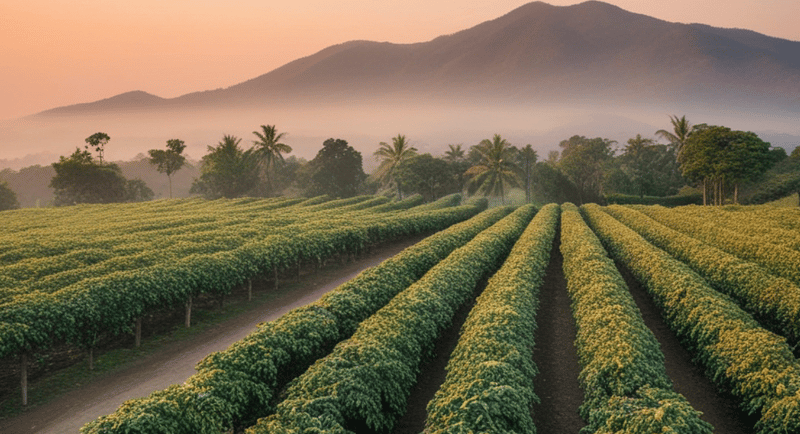
Regenerative Coffee Farming: Growing a Better Brew for the Planet
In the world of specialty coffee, we often talk about flavor notes, roast profiles, and brewing methods. But in 2026, the conversation has shifted. Coffee lovers aren't just asking where their beans came from; they’re asking how they were grown.
Enter regenerative coffee farming. This isn’t just another sustainability buzzword—it’s a revolutionary approach to agriculture that moves beyond "doing no harm" to actively healing the earth.
If you’ve seen labels like Regenerative Organic Certified (ROC) or the new Rainforest Alliance Regenerative Standard on your coffee bags lately, here is everything you need to know about why this movement is the future of your morning cup.
What is Regenerative Coffee Farming?
At its core, regenerative coffee farming is a holistic land management practice that prioritizes soil health, biodiversity, and carbon sequestration.
While "sustainable" farming aims to maintain the current state of the environment, "regenerative" farming seeks to improve it. It treats the coffee farm as a living ecosystem rather than a factory line. By mimicking natural forest cycles, farmers can restore degraded land, making it more productive and resilient against climate change.
The 4 Pillars of a Regenerative Coffee Farm
To understand how your coffee is being transformed, look at these four key practices:
1. Improving Soil Health
Healthy soil is the foundation of great coffee. Regenerative farmers avoid heavy tilling (which disturbs soil structure) and use composting and biochar to feed the underground microbial community. Richer soil means the coffee trees get more nutrients naturally, reducing the need for synthetic fertilizers.
2. Agroforestry & Shade-Grown Systems
Coffee is naturally an understory plant. In regenerative systems, coffee trees grow beneath a canopy of native timber and fruit trees. This agroforestry approach:
Provides a habitat for birds and pollinators.
Regulates temperature (keeping the cherries cool for a slower, sweeter ripeness).
Prevents soil erosion during heavy rains.
3. Cover Cropping
Instead of leaving bare dirt between coffee rows, farmers plant "cover crops" like clover or legumes. These plants act as a living blanket, locking moisture into the ground, suppressing weeds, and naturally adding nitrogen back into the soil.
4. Carbon Sequestration
Regenerative farms are "carbon sinks." By pulling CO2 out of the atmosphere and storing it in the soil and tree biomass, coffee farms become a powerful tool in the fight against global warming. In fact, some regenerative projects in Ethiopia have shown the ability to sequester up to 1.5 tons of CO2 per hectare annually.
Why Does It Matter for You (The Consumer)?
You might be wondering: Does this actually make the coffee taste better? The answer is a resounding yes.
Superior Flavor Profiles: Slow-ripened, shade-grown cherries often have higher sugar content and more complex acidity.
Climate Resilience: As extreme weather threatens coffee production worldwide, regenerative farms are 10–40% more resilient to droughts and storms, ensuring your favorite origin stays on the shelf.
Traceability: Most regenerative coffee comes with high-tech transparency, often using blockchain or QR codes so you can see the exact impact your purchase has on the farm’s ecosystem.
The Economic Win for Farmers
Regenerative farming isn't just "green"—it's smart business. By diversifying their farms with fruit and timber trees, farmers have multiple sources of income. Recent data shows that transitioning to regenerative practices can increase a farmer's income by 20% to 30% over time due to higher yields and premium "ethical" pricing.
The Bottom Line
Regenerative coffee farming is more than a trend; it’s a necessity. By choosing beans grown with these methods, you are supporting a system that pays farmers fairly, protects wildlife, and cools the planet—one delicious sip at a time.
