Single-Origin Coffee: Why It Matters
For too long, coffee was "just coffee"—a caffeine delivery system blended for consistency.
12/14/20253 min read
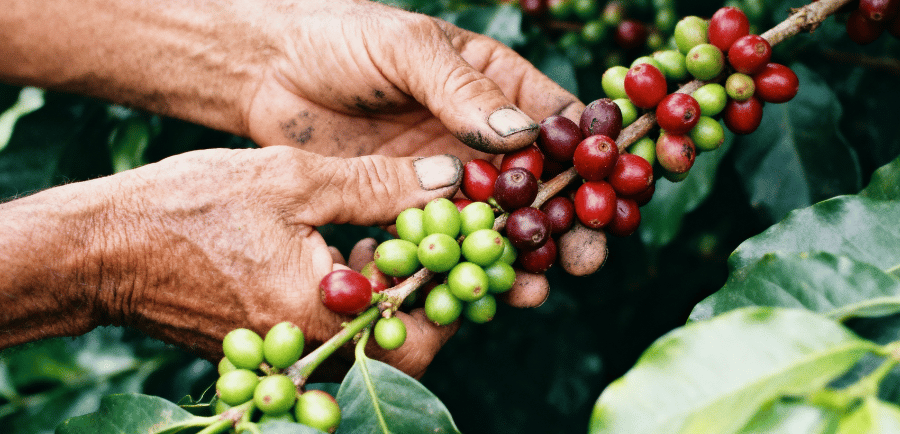
For too long, coffee was "just coffee"—a caffeine delivery system blended for consistency. But a quiet revolution has been brewing, putting a spotlight on a simple phrase that changes everything about your morning ritual: single-origin coffee.
More than just a trend, single-origin beans offer a unique, traceable, and deeply rewarding experience. If you’ve been sticking to blends, it’s time to find out why this specialty brew is so much more than the sum of its beans.
🌎 What Exactly is Single-Origin Coffee?
The term single-origin coffee is simple in concept: it means the beans come from a single, identifiable geographic location.
This source can be a single country, a specific region, or even a micro-lot on a specific farm. Crucially, these beans are not blended with coffee from other origins.
In contrast, most commercial coffee blends beans from multiple countries or regions to achieve a consistent, year-round flavor profile. Single-origin, on the other hand, is a celebration of uniqueness and the story behind the bean.
🎨 The Magic of a Unique Flavor Profile
The number one reason coffee lovers—from casual drinkers to serious connoisseurs—seek out single-origin varieties is the distinct flavor.
When beans are sourced from a single location, they become a pure expression of their terroir. Borrowed from the world of wine, terroir refers to the complete natural environment in which a particular coffee is produced, including:
Altitude and Climate: Higher altitudes often result in denser beans with more complex acids and sugars, leading to vibrant, bright flavors (like those from Ethiopia or Kenya).
Soil Composition: Volcanic soil in Central America can impart rich, chocolatey notes, while the red clay of certain African regions might create a more floral profile.
Processing Method: Whether the beans are washed for a clean, bright taste or natural for bold, fruity sweetness, the processing locks in the region's signature characteristics.
With every cup of single-origin, you embark on a mini-journey, tasting the distinct "fingerprint" of that unique place.
✅ Traceability, Quality, and Sustainability
The benefits of choosing high-quality single-origin coffee go far beyond your taste buds. This sourcing method champions transparency and ethical impact, which is why it truly matters.
1. Unmatched Traceability
When you purchase a bag of single-origin coffee, the label usually tells you not just the country, but the region, the farm, and sometimes even the cooperative.
Knowing the Source: This level of detail offers a clear line of sight from your mug back to the farm, an honesty that blends simply cannot provide.
Quality Assurance: This transparency encourages higher quality control at every stage, as the producer's reputation is directly tied to the final product.
2. Supporting Small-Scale Farmers
The single-origin model often involves direct trade partnerships between roasters and farmers. This direct relationship cuts out multiple intermediaries, ensuring that a fairer price goes straight to the people who grew the beans.
Better Livelihoods: This premium pricing incentivizes farmers to invest in sustainable farming practices, superior harvesting techniques, and community development.
Environmental Stewardship: Many of the best single-origin farms prioritize ethical and eco-friendly methods, protecting the very terroir that makes their coffee so special.
💡 How to Choose Your Next Single-Origin Bean
Ready to start your flavor adventure? Here’s how to pick the perfect bag of single-origin beans:
Check the Roast Date: Always look for a roast date (not a "best by" date). Specialty beans taste best when brewed within 2-4 weeks of being roasted.
Read the Flavor Notes: Look for notes that appeal to you—notes like "caramel and cocoa" suggest a balanced, approachable cup (e.g., Central/South America), while "peach and jasmine" mean a brighter, fruitier experience (e.g., East Africa).
Consider the Processing Method:
Washed: Cleaner, brighter acidity.
Natural: More intense fruit and sweetness.
Honey/Pulped Natural: A balance between the two, often sweet and creamy.
Buy Whole Bean: For maximum freshness and flavor, grind your beans right before brewing.
📝 Conclusion
Choosing single-origin coffee is choosing a deeper, more intentional relationship with your daily cup. It’s an opportunity to move past generic coffee and savor the complex artistry of nature, farming, and meticulous roasting.
It's a step toward exploring the world one unique taste at a time while consciously supporting the hardworking hands that make it all possible.
