
What Makes a Perfect Espresso Shot?
Whether you’re a home barista or just a curious caffeine lover, understanding the anatomy of a great shot will change the way you drink coffee forever.
3/15/20262 min read
The Art of the Pull: What Truly Makes a Perfect Espresso Shot?
For many, a morning ritual isn’t complete without the hiss of steam and the rich aroma of a freshly pulled espresso. But there is a vast gulf between a standard cup of coffee and a perfect espresso shot. It’s a delicate dance of physics, chemistry, and timing that turns a handful of beans into "liquid gold."
Whether you’re a home barista or just a curious caffeine lover, understanding the anatomy of a great shot will change the way you drink coffee forever. Here is the breakdown of what goes into the ultimate espresso.
The Foundation: Freshness and Roast
You cannot extract excellence from stale ingredients. The perfect shot begins with freshly roasted coffee beans, ideally used within two to four weeks of their roast date.
While "espresso roast" is a common label, espresso is actually a brewing method, not a specific bean. However, most enthusiasts prefer a medium to dark roast because these beans are more porous, allowing the pressurized water to extract those deep chocolate and caramel notes more efficiently.
The Grind: Finding the "Sweet Spot"
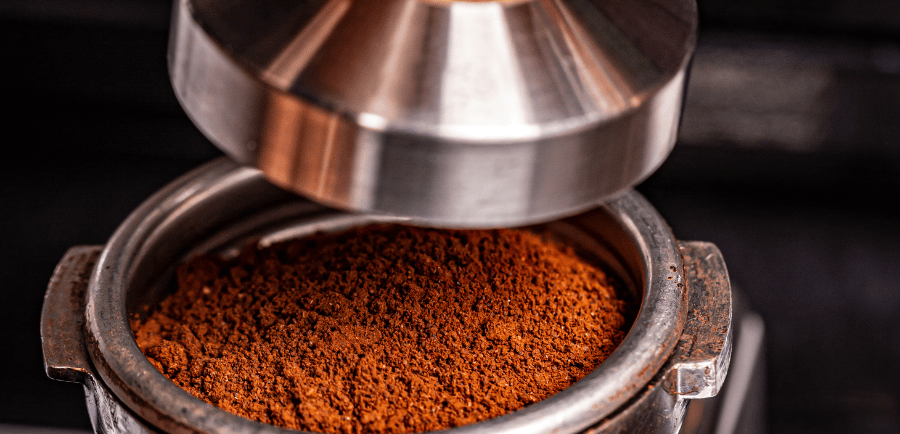
The grind size is perhaps the most critical variable. If the grind is too coarse, water rushes through too fast (under-extraction), leaving you with a sour, thin liquid. If it’s too fine, the water struggles to pass through (over-extraction), resulting in a bitter, burnt taste.
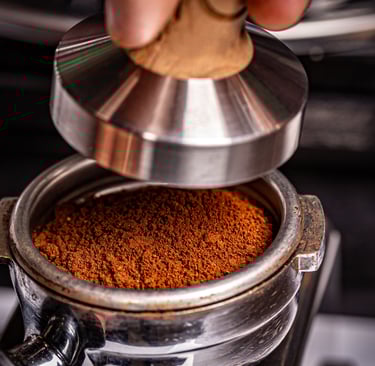
A perfect grind should feel like a cross between powdered sugar and fine beach sand. When compressed into a puck, it must provide just enough resistance to the water to create that signature syrupy flow.
The Golden Ratio and Yield
Consistency is the hallmark of a pro. Most modern baristas use a 1:2 ratio. This means if you put 18 grams of ground coffee into your portafilter, you should aim for about 36 grams of liquid espresso in your cup.
This balance ensures that you capture the initial sweetness and acidity without pushing into the bitter compounds that come out at the end of the brewing cycle.
The Magic of Pressure and Temperature
Standard espresso machines aim for 9 bars of pressure. This intense force is what emulsifies the coffee oils, creating the "crema"—the tan, frothy layer that sits on top of the shot.
Temperature is equally vital. The water should be between 90°C and 96°C. Anything hotter will scorch the delicate oils; anything cooler will fail to pull the full flavor profile from the grounds.
The Anatomy of the Result
How do you know you’ve nailed it before you even take a sip? Look for these three layers:
The Heart: The dark brown base that contains the body.
The Body: The middle layer, slightly lighter in color.
The Crema: The foamy, golden-brown top layer that traps the aromatics.
A perfect shot should have a "tiger-skin" pattern on the crema—a mottled mix of light and dark browns that signals a complex extraction.
The Final Taste Test
Ultimately, the perfect espresso should be balanced. It should hit your tongue with a brief flash of acidity, followed by a heavy, syrupy sweetness, and finish with a clean, lingering aftertaste. If it makes you want to skip the sugar and cream, you’ve officially mastered the craft.
