
Why Matcha is More Than Just a Trend
Unlike fleeting internet food trends, matcha is backed by over 800 years of traditional Japanese culture and a robust body of modern nutritional science.
7/12/20264 min read
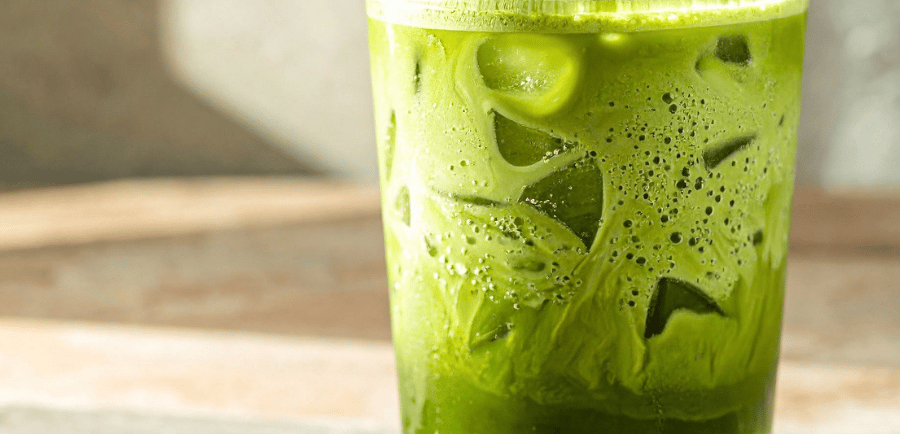
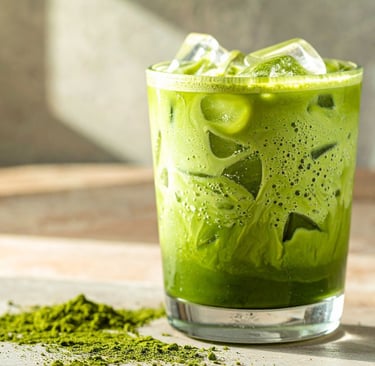
Why Matcha Is More Than Just a Trend: The Science and Soul of a Modern Ritual
Walk into any local café today, and you are guaranteed to see a sea of vibrant green. From iced lattes to wellness smoothies, matcha green tea powder has officially taken over the mainstream beverage space.
But if you think this luminous green powder is just another short-lived superfood fad destined to go the way of charcoal lattes, think again.
Unlike fleeting internet food trends, matcha is backed by over 800 years of traditional Japanese culture and a robust body of modern nutritional science. It isn't just a stylish coffee alternative; it’s a lifestyle shift toward sustainable energy, mindful living, and long-term wellness.
Here is exactly why matcha is here to stay.
1. The Anatomy of Matcha: Why It Outperforms Regular Green Tea
To understand why matcha has such a massive impact on our well-being, we have to look at how it’s grown and consumed.
When you brew a standard cup of regular green tea, you steep the leaves in hot water and discard them, extracting only a fraction of the water-soluble nutrients. Matcha powder, however, is made from the entire tea leaf.
The Shade-Grown Advantage: Weeks before harvest, the tea plants (Camellia sinensis) are covered to block out sunlight. This forces the plants to work overtime, triggering a massive surge in chlorophyll and amino acids.
The Stone-Ground Process: The finest young leaves are hand-picked, steamed to halt oxidation, de-stemmed, and slowly stone-ground into an ultra-fine, silky powder.
When you drink a matcha latte or a traditional tea, you are consuming the actual leaf in its entirety. This unique process makes matcha one of the most nutrient-dense natural plant products on earth, delivering up to 10 times the antioxidant payload of a standard cup of brewed green tea.
2. Jitter-Free Focus: The Ultimate Coffee Alternative
The number one reason busy professionals, entrepreneurs, and creatives are ditching their third cup of coffee for a ceremonial grade matcha comes down to how it delivers energy.
Coffee is notorious for the "spike and crash" cycle—a rapid surge of adrenaline followed a few hours later by fatigue, restlessness, and the dreaded caffeine jitters. Matcha handles your focus completely differently thanks to a powerful biochemical pairing: Caffeine and L-Theanine.
The L-Theanine Effect: Matcha contains a rare, high concentration of L-theanine, an amino acid that crosses the blood-brain barrier. It promotes relaxation by increasing alpha waves in the brain (the same waves generated during deep meditation) while simultaneously slowing down the body's absorption of caffeine.
The result? What wellness experts call "calm alertness." You get a steady, clean wave of sustained energy that lasts between four to six hours, with zero jitters and no afternoon energy crash.
3. The Science-Backed Health Benefits of Matcha
Beyond clean energy, a daily matcha ritual serves as a long-term investment in your physical health. Modern clinical research continues to validate what Zen Buddhist monks have intuitively known for centuries.
A Powerful Antioxidant Network
Matcha is a powerhouse of catechins, a class of plant compounds that act as natural antioxidants. Specifically, it is packed with epigallocatechin gallate (EGCG). According to studies published in the Journal of Chromatography, EGCG helps stabilize harmful free radicals, reducing oxidative stress on a cellular level, balancing chronic inflammation, and supporting long-term heart health.
Metabolic and Microbiome Support
Research highlights that the combination of caffeine and EGCG in pure green tea powder can modestly support fat oxidation (the body's ability to burn fat for fuel) and increase thermogenesis during light exercise. Furthermore, the polyphenols in whole-leaf tea powder act as a prebiotic, nourishing beneficial gut bacteria to support overall digestive wellness.
4. Understanding Quality: Ceremonial vs. Culinary Grade
If you want to experience the true magic of this ancient beverage, you have to know what to look for on the label. Not all matcha is created equal, and choosing the right grade completely changes the flavor profile and health benefits.
MetricCeremonial GradeCulinary GradeHarvest TimeFirst spring harvest (youngest, tender leaves)Later harvests (mature leaves)ColorElectric, vibrant neon greenDuller, olive, or yellowish-greenFlavor ProfileSmooth, naturally sweet, rich umamiBold, robust, distinctly bitterBest Used ForWhisked traditionally with hot waterBaking, smoothies, and cooking
Pro Tip: True, high-quality matcha should always originate from renowned regions in Japan, such as Uji or Nishio. If your matcha tastes excessively bitter or looks dull and yellow, it is likely a lower-grade culinary powder.
5. How to Prepare a Perfect Cup of Matcha at Home
Preparing matcha is not just about making a drink; it’s an invitation to slow down and practice a moment of mindfulness in a busy day. You don't need a complex setup to enjoy a premium cup at home.
1.Sift the Powder:Prevents clumping.
Sift 1 to 2 teaspoons of premium matcha powder into a wide bowl. Because it is stone-ground so finely, it naturally wants to clump together.
2.Add Hot (Not Boiling) Water:Protects the nutrients.
Pour in about 2 ounces of hot water. Aim for a temperature around 70°C to 80°C (160°F to 175°F). Never use boiling water, as it scorches the delicate leaves and creates an unpleasant bitterness.
3.Whisk with Intention:Creates the perfect froth.
Using a traditional bamboo whisk (chasen), whisk vigorously in a rapid "W" or "M" motion rather than a circular stir. Keep your wrist loose. Within 30 seconds, a beautiful, creamy layer of jade-green foam will form on top.
4.Customize Your Pour:The final touch.
Enjoy it exactly as it is for a traditional, clean taste. Alternatively, top it off with steamed oat or almond milk to create a smooth, café-style iced or hot matcha latte.
The Verdict: A Ritual, Not a Trend
Trends are built on novelty, but rituals are built on utility and meaning. Matcha has stood the test of time because it offers exactly what the modern, fast-paced world is desperate for: balance, sustained performance, and proactive health care.
By turning your morning caffeine hit into a mindful preparation of pure, green whole-leaf tea, you aren't just following a social media trend—you are adopting a time-tested blueprint for longevity and clarity.
