Why Non-Dairy Milks Are Now Your Coffee's Staple Companio
The morning cup of coffee is a ritual, and for a growing number of people, that ritual now includes a non-dairy milk alternative.
12/8/20252 min read
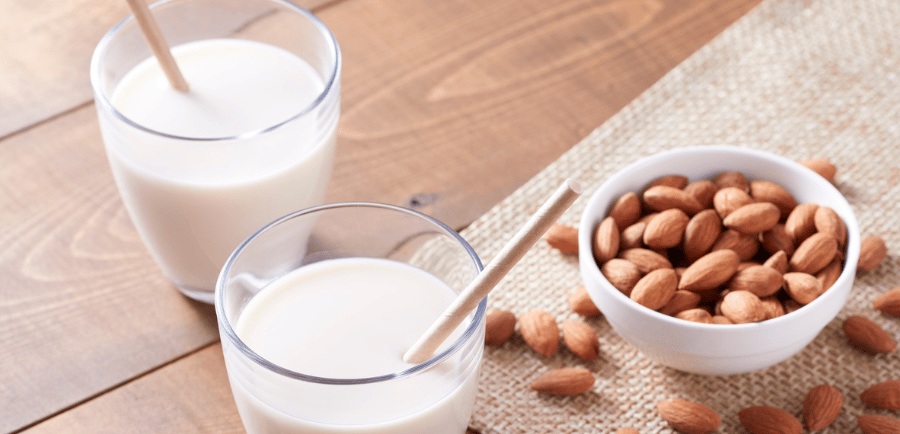
The morning cup of coffee is a ritual, and for a growing number of people, that ritual now includes a non-dairy milk alternative. What started as a niche offering for the lactose-intolerant or vegan community has exploded into a mainstream movement, with plant-based milks becoming a true staple in coffee shops and home kitchens worldwide. It's more than a trend—it's a dairy revolution in your daily brew.
🌱 From Niche to Necessity: The Rise of Dairy Alternatives
Just a few years ago, soy milk was often the sole non-dairy option. Today, coffee menus boast a veritable cornucopia of choices: oat milk, almond milk, coconut, macadamia, and even pea or banana milk. This shift is driven by a powerful combination of consumer priorities:
Health Consciousness: Many individuals are seeking alternatives due to lactose intolerance (a common condition), dairy allergies, or a desire for lower-calorie, lower-saturated-fat options.
Environmental Impact: Concerns about sustainability—specifically the greenhouse gas emissions, land use, and water footprint associated with traditional dairy farming—are driving eco-conscious consumers toward plant-based choices.
Flavor Exploration: Modern barista-grade plant milks are specifically formulated to froth well and complement, rather than overpower, the complex flavor notes of high-quality coffee.
🥛 The Top Contenders: Which Milk for Your Mug?
Selecting the right alternative can feel overwhelming, but each option brings a unique profile that pairs differently with your favourite coffee.
💡 Why Baristas Love the Non-Dairy Evolution
The transition wasn't just driven by consumer demand; baristas quickly embraced the new challenge. The development of high-quality alternatives has allowed for greater creativity and customer satisfaction.
Superior Texture: Oat milk, in particular, has proven to create a microfoam that rivals dairy milk, essential for professional-grade lattes and cappuccinos.
Versatility: Offering a wide range of options means every customer—whether they're ordering a simple splash in their drip coffee or a complex macchiato—can find a satisfactory and delicious experience.
Inclusivity: By normalizing non-dairy, coffee shops become more welcoming to customers with dietary restrictions or ethical preferences, solidifying the importance of coffee milk alternatives in the modern café.
🚀 The Future is Fluid (and Frothy)
While dairy milk remains a significant part of the market, the momentum for non-dairy/plant-based milks is undeniable. They have moved past being a costly add-on (though the surcharge remains a hot topic!) and established themselves as an expected, necessary ingredient in contemporary coffee culture. Whether you're making a quick cup at home or ordering a bespoke oat milk latte at your local café, the next few years will see even more innovation—perhaps a new nut, grain, or seed will emerge as the next coffee superstar.
